
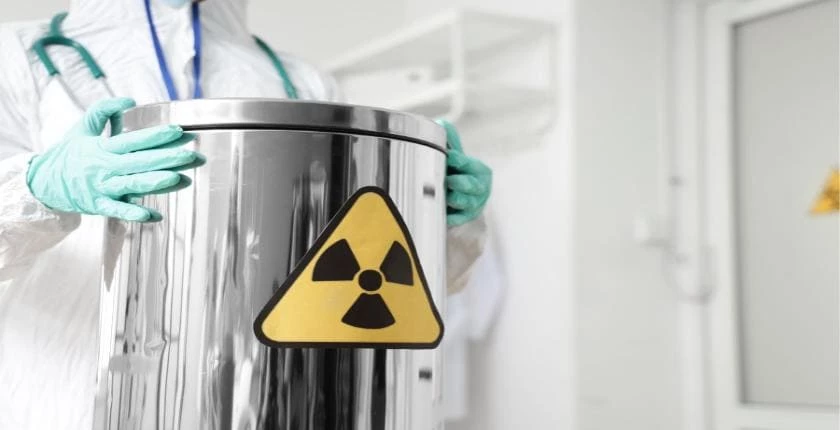
Hazardous Waste Removal
Get in TouchAt Cleaning 24x7, we provide licensed, compliant, and discreet hazardous waste collection and disposal services and across the UK, supporting construction sites, commercial premises, landlords, and public-sector organisations.
Our trained specialists handle the safe removal of chemicals, asbestos, clinical waste, contaminated materials, and other dangerous substances in strict accordance with Environment Agency and HSE regulations.
We offer both one-off collections and ongoing waste management solutions, ensuring full documentation, legal compliance, and responsible disposal for every job.
How Much Does Hazardous Waste Removal Cost?
The cost of hazardous waste removal ranges from £150 to £300 for smaller collections such as paint tins or chemical containers, while more complex waste, such as asbestos or contaminated soil, may cost £500 to £1,500 or more per job.
Pricing depends on waste type, hazard classification, quantity, PPE requirements, packaging, documentation, and whether emergency response is needed. Ongoing collection contracts often reduce per-load costs and include waste monitoring reports.
Contact Cleaning 24x7 to get customised prices for arranging hazardous waste collection.
Which Sites Commonly Require Hazardous Waste Collection?
Hazardous waste collection is required across a wide range of sectors, including:
Manufacturing and engineering facilities – Dispose of oils, solvents, and chemical by-products.
Automotive workshops – Manage used oils, batteries, filters, and contaminated parts.
Construction sites – Handle asbestos, paint waste, and contaminated materials.
Laboratories and healthcare sites – Remove clinical or infectious waste.
Schools and offices – Deal with fluorescent tubes, toner cartridges, or chemical supplies.
Agricultural and rural sites – Manage pesticides, fuel residues, and hazardous containers.
Residential properties – Required after evictions, squatter cleanups, or drug-related incidents.
Do Hazardous Waste Providers Handle Asbestos, Chemicals, and Biohazards?
Most hazardous waste providers manage a broad range of dangerous materials, including bonded and loose asbestos, chemical residues, industrial solvents, oil-based products, paint waste, clinical waste, sharps, and contaminated items.
Specialist teams may also offer spill response, laboratory decontamination, and biohazard cleaning where required. Vehicles and containment procedures are designed to ensure safe handling and protection for both operators and the environment.
Are Licensed Hazardous Waste Disposal Services Available Throughout ?
Licensed hazardous waste contractors operate across , providing fully accredited transport, collection, and disposal services.
These companies hold Environment Agency registration, ADR hazardous goods transport permits, and COSHH-trained staff. Approved services include safe waste collection, secure packaging, compliant labelling, and transport to authorised recycling or disposal facilities.
What Regulations Must Be Followed for Hazardous Waste Disposal?
Hazardous waste disposal must comply with the Hazardous Waste Regulations 2005, the Environmental Protection Act 1990, and guidelines from the Environment Agency.
Waste producers must identify, classify, and label hazardous materials correctly, store them securely, and keep records of all waste transfers. Only licensed waste carriers may transport hazardous waste, and they must complete consignment notes, follow ADR transport rules, and dispose of waste at approved facilities.
What Materials Are Classified as Hazardous Waste?
Hazardous waste covers a wide range of materials that pose risks to health or the environment, including:
Asbestos products – Require specialist containment and licensed removal.
Contaminated soil – Often linked to spills, industrial use, or historic pollution.
Solvents and chemicals – Common in manufacturing, labs, and automotive settings.
Oils and lubricants – Must be handled separately due to fire and contamination risks.
Paints and coatings – Contain hazardous compounds needing controlled disposal.
Pesticides – Present risks to both human health and ecosystems.
WEEE waste – Electrical items containing hazardous components or metals.
Batteries – Include corrosive and toxic substances requiring regulated handling.
Industrial chemicals – From workshops, factories, or processing plants.
Clinical and biological waste – Includes medical materials and contaminated items.
Is Emergency Hazardous Waste Removal Available 24/7?
Emergency hazardous waste removal is available around the clock for chemical spills, fuel leaks, contamination incidents, and exposure to dangerous materials.
Rapid-response teams arrive equipped with spill kits, containment barriers, and specialist PPE to stabilise the site and begin cleanup. Follow-up disposal ensures full compliance and restored site safety.
Can One-Off or Scheduled Waste Collections Be Arranged?
Both one-off and regular scheduled hazardous waste collections are available. One-time collections are suitable for site clearances, refurbishments, spill incidents, or periodic disposal of stored waste.
Scheduled waste management contracts support facilities that generate hazardous waste routinely, such as manufacturing plants, clinics, or laboratories. Collections may be weekly, monthly, or arranged as needed, with emergency on-call services for urgent situations.
What Documentation Is Provided for Hazardous Waste Disposal?
Hazardous waste disposal is supported by detailed compliance paperwork, including:
Consignment notes – Record the movement, type, and handling of hazardous waste.
Waste transfer records – Document the handover between producers and licensed carriers.
Environment Agency tracking forms – Ensure waste is monitored from collection to final disposal.
EWC code classifications – Identify the exact category and hazard type of each waste item.
Weight and quantity reports – Provide accurate measurements for compliance and auditing.
Disposal method documentation – Confirm how and where the waste was treated or destroyed..
Do Providers Serve Construction, Industrial, and Public Sector Clients?
Hazardous waste providers work with a broad range of sectors including construction firms, industrial facilities, NHS organisations, local councils, educational establishments, chemical producers, and agricultural operations.
Services are tailored to each sector’s needs, with experienced providers offering waste assessments, storage recommendations, and staff training to help clients remain compliant.
Contact Cleaning 24x7 for a consultation on arranging hazardous waste collection and disposal.