
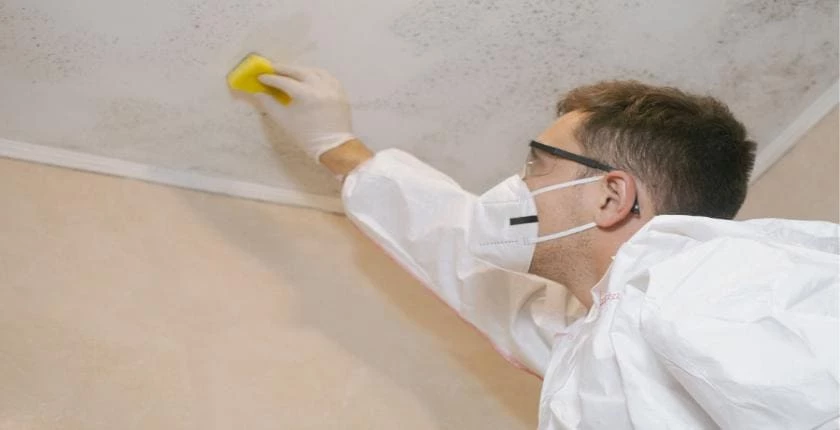
Mould Removal
Get in TouchAt Cleaning 24x7, we specialise in eliminating harmful mould from residential, commercial, and rental properties and across the UK.
Our trained technicians combine advanced remediation methods with damp control solutions to address mould at its source, preventing it from returning.
Whether caused by flooding, poor ventilation, or structural dampness, untreated mould can damage property, endanger health, and reduce indoor air quality.
We offer comprehensive surveys, safe removal, and long-term prevention strategies to restore your space and safeguard occupants.
When Is Mould Removal Needed in Properties Across ?
Mould removal is required for properties whenever moisture remains long enough for spores to settle and grow on visible surfaces or hidden structural areas.
This usually stems from issues such as insufficient ventilation, leaking roofs or plumbing, condensation caused by temperature shifts, or water entering through gaps in the exterior or foundation.
Once mould establishes itself, it spreads quickly, affects building materials, and enters indoor air pathways, making timely removal necessary.
How Much Does Professional Mould Removal Cost?
The cost of professional mould removal ranges from £150 to over £800, depending on the scale of growth, the number of affected rooms, and how complex the treatment process needs to be.
Costs are primarily influenced by the extent of contamination, access challenges such as hidden cavities or loft spaces, the need for deep cleaning or specialist antimicrobial treatments, and any additional services like damp-proofing or air quality checks.
Contact Cleaning 24x7 to get customised prices for treating mould at your property.
What Health Risks Are Linked to Untreated Mould Homes and Businesses?
Exposure to mould spores can cause respiratory irritation, allergic reactions, chronic coughing, and skin conditions. Tenants and employees with asthma or compromised immune systems may experience worsened symptoms due to ongoing exposure.
Certain species, such as black mould, produce particularly hazardous mycotoxins if inhaled over extended periods.
Which Types of Mould Are Commonly Found in Buildings?
Properties frequently contain several mould varieties that develop in damp or poorly ventilated spaces, including:
Black mould (Stachybotrys) – Often found on plaster, wallpaper, and wood where persistent moisture allows deep-rooted growth.
White mould – Common on timber, carpets, and stored items in cool or humid rooms.
Green mould – Appears on walls, ceilings, and soft furnishings when humidity remains high.
Aspergillus – Thrives in bathrooms, kitchens, and unheated areas where condensation collects on surfaces.
Penicillium – Spreads quickly on damp carpets, insulation, and water-damaged materials.
Cladosporium – Frequently develops on window frames, fabrics, and HVAC components in areas with fluctuating temperatures.
Can Mould Be Permanently Removed From Walls and Ceilings?
Effective mould removal services not only clean visible contamination but also address hidden growth and its root causes.
Treatments include antimicrobial applications, stain removal, and sealing surfaces with anti-fungal coatings. Permanent results are achievable when moisture control is implemented alongside physical remediation.
What Is the Process for Professional Mould Remediation?
Mould removal and remediation typically begin with a site survey, moisture assessment, and identification of contaminated materials.
Professionals isolate the affected zones, apply biocidal treatments, and remove damaged surfaces if necessary. HEPA filtration and dehumidifiers are used to improve air quality and dry out the structure before applying preventative finishes.
Do Mould Removal Services Include Damp Treatment and Prevention?
Our full-service experts combine mould removal with moisture control solutions such as improving insulation, repairing leaks, installing passive ventilation, or applying damp-proof membranes.
Effective remediation depends on fixing the root cause, whether that’s rising damp, broken pipework, or insufficient air exchange. Technicians then verify that moisture levels have stabilised to prevent mould from returning.
Is Same-Day Mould Inspection and Removal Available Within the Area?
Emergency mould removal inspection and treatment services are available, particularly for cases involving health risks, landlord disputes, or tenanted properties requiring urgent compliance.
Rapid-response teams are equipped to assess and start containment or treatment the same day in high-priority cases. Availability may vary depending on the severity of the issue and access requirements.
How Do Specialists Identify the Source of Mould Growth Across Properties?
In , mould removal technicians use moisture meters, thermal imaging, airflow diagnostics, and visual inspection to detect mould origins.
They assess building layout, pipework, condensation patterns, and ventilation effectiveness to determine how moisture is entering or persisting in the space. Findings guide the treatment plan to address both contamination and the underlying moisture source.
Contact Cleaning 24x7 for a consultation on getting mould removal services.